
 English
Если вам нужна помощь, пожалуйста, свяжитесь с нами.

sales@cnrsk.com
Промышленные универсальные муфты шарового типа: новый выбор трансмиссии, переход от специализированного оборудования к прецизионному производству
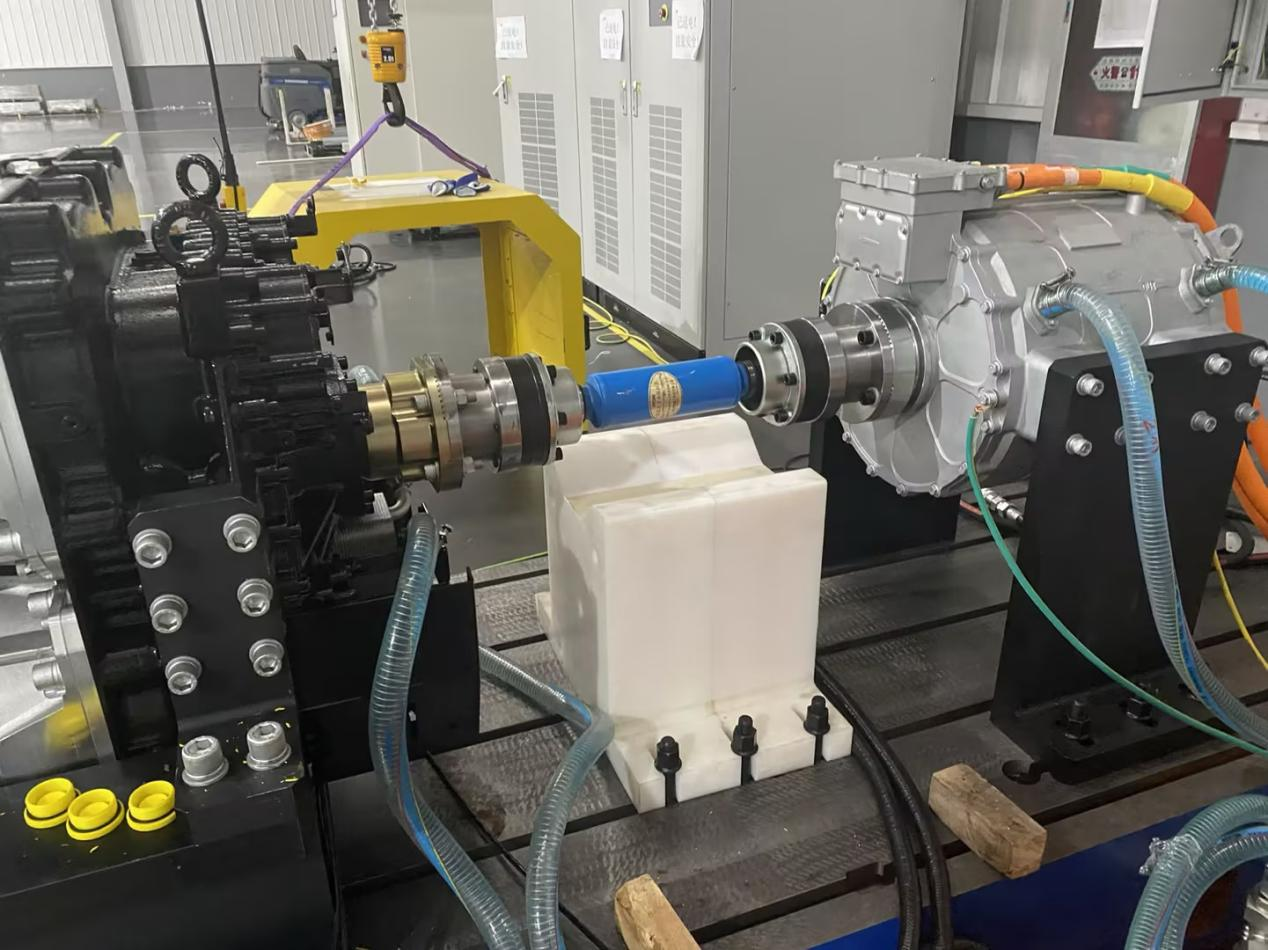
Используя присущие им преимущества в передача с большим углом, синхронность с постоянной скоростью и компактная пространственная адаптируемость , промышленные универсальные муфты шарового типа выходят за рамки традиционных границ применения, постепенно расширяясь от традиционных секторов, таких как металлургия и автомобили специального назначения, к областям точного производства, включая робототехнику и высокотехнологичные станки.
Традиционные универсальные муфты с поперечным валом страдают от мгновенной несинхронности угловой скорости при использовании в одном шарнире. Напротив, конструкция шарового типа обеспечивает полную синхронная трансмиссия с постоянной скоростью между ведущим и ведомым валами, принципиально исключая вибрацию и дополнительные нагрузки, вызванные колебаниями угловой скорости. При этом он предлагает большая несущая способность и большая возможность угловой компенсации для тех же размеров — данные показывают, что его угловая компенсационная способность может достигать 4 раза что касается поперечных универсальных шарниров и 8 раз у зубчатых муфт с корончатыми зубьями, при этом трение качения стальных шариков обеспечивает значительно более высокий КПД передачи, чем трение скольжения зубчатых муфт.
Последние события в отрасли показывают, что универсальные муфты шарикового типа открывают множество возможностей для роста. С точки зрения расширение приложения инвесторы и рынок начали обращать внимание на их потенциал в новых областях, таких как суставы гуманоидного робота , при этом родственные компании выразили намерение активно осваивать новые рынки на основе своего существующего технологического опыта. С точки зрения эволюция продукта продолжают появляться технологические инновации: шаровая муфта с функция телескопической регулировки получил патент, решающий проблемы адаптируемости установки; а быстромонтируемая конструкция конструкция эффективно сокращает время установки и сложность обслуживания; и интегрированный тормозной диск Конструкция обеспечивает более надежные решения трансмиссии для особых условий эксплуатации, требующих быстрого торможения, например, в металлургии и электроэнергетике.
По данным отраслевых исследований, мировой рынок универсальных муфт шарового типа оценивается примерно в 5,068 млрд долларов США в 2025 году и, по прогнозам, вырастет до 6,299 млрд долларов США. к 2032 году. В то время как традиционные рынки металлургии и горнодобывающей промышленности сохраняют устойчивый спрос, пространство для постепенного роста, создаваемое автоматизированным оборудованием и развивающимся высокотехнологичным производством, становится новым двигателем роста отрасли.


WeChat

WeChat

Whatsapp
Быстрые ссылки
Контактная информация

+86-511-85728317 / +86-511-85728316

+86-13861355442

sales@cnrsk.com (Сотрудничать)

№ 139, Цзиньян-роуд, промышленный парк Цзинган, район Цзинган, Чжэньцзян, Цзянсу, Китай.
Связаться с нами
Авторские права © Jiangsu Rokang Heavy Industry Technology Co., Ltd.
